
Medical Facilities
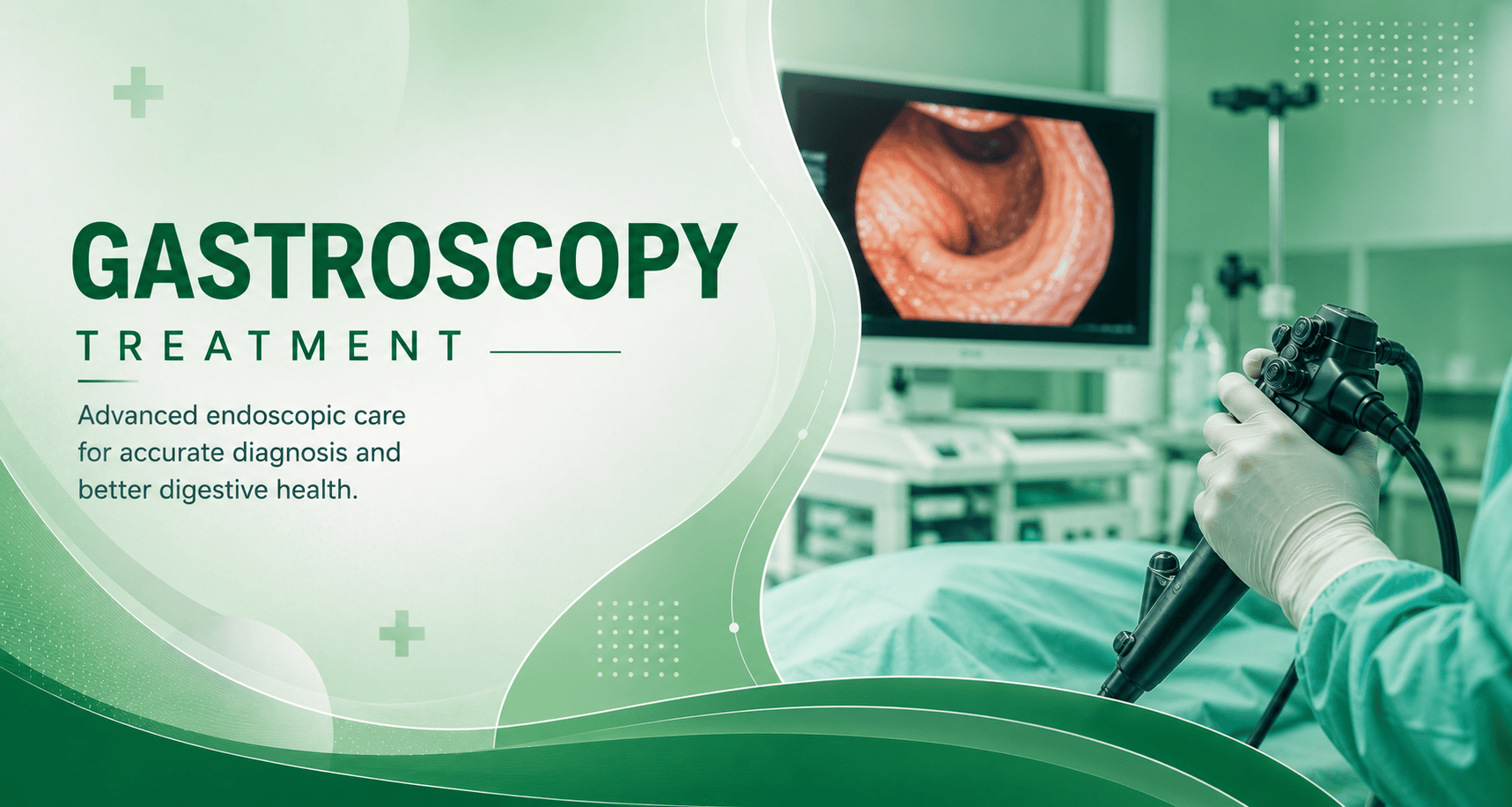
Gastroscopy in Dombivli | Sparsh Multispeciality Hospital
Advanced Gastroscopy in Dombivli
Digestive problems such as persistent acidity, stomach pain, difficulty swallowing, nausea, vomiting, or unexplained weight loss should never be ignored. These symptoms may indicate underlying conditions affecting the oesophagus, stomach, or upper part of the small intestine. At Sparsh Multispeciality Hospital, we provide advanced Gastroscopy in Dombivli using modern endoscopic technology to accurately diagnose and evaluate a wide range of upper gastrointestinal (GI) disorders.
Gastroscopy is a safe, minimally invasive procedure that allows doctors to examine the lining of the oesophagus, stomach, and duodenum using a thin flexible tube fitted with a high-definition camera. The procedure helps identify the exact cause of digestive symptoms and enables timely treatment before complications develop. Our experienced gastroenterology team focuses on patient comfort, accurate diagnosis, and personalised treatment plans for every patient.
Located in Dombivli East, Sparsh Multispeciality Hospital proudly serves patients from Dombivli, Kalyan, Thakurli, Palava, Nilje, Manpada, Sonarpada, and surrounding areas with comprehensive gastrointestinal care under one roof.
What is Gastroscopy?
Gastroscopy, also known as Upper GI Endoscopy, is a diagnostic procedure that enables doctors to directly examine the upper digestive tract. During the procedure, a thin, flexible instrument called a gastroscope is gently passed through the mouth into the oesophagus, stomach, and first part of the small intestine (duodenum). A high-definition camera attached to the gastroscope provides detailed images that help detect inflammation, ulcers, bleeding, infections, growths, polyps, or early signs of cancer.
If necessary, the doctor can also collect small tissue samples (biopsies) during the same procedure for laboratory analysis. Because gastroscopy provides direct visualisation of the digestive tract, it is often more accurate than imaging tests alone for diagnosing upper gastrointestinal disorders.
When is Gastroscopy Recommended?
Doctors may advise Gastroscopy in Dombivli when digestive symptoms persist or when further evaluation is required after clinical examination. Common indications include persistent acidity, chronic heartburn, upper abdominal pain, difficulty swallowing, nausea, vomiting, unexplained weight loss, gastrointestinal bleeding, anaemia, recurrent indigestion, suspected stomach ulcers, or abnormal findings on imaging studies.
Gastroscopy also plays an important role in monitoring patients with chronic gastrointestinal disorders and evaluating symptoms that do not improve with routine medical treatment. Early diagnosis allows prompt intervention and reduces the risk of serious complications.
Conditions Diagnosed Through Gastroscopy
Gastroscopy is an important investigation for diagnosing several upper digestive tract disorders. It helps doctors accurately identify conditions such as acid reflux disease (GERD), gastritis, peptic ulcers, oesophagitis, stomach ulcers, duodenal ulcers, gastric polyps, upper gastrointestinal bleeding, Barrett’s oesophagus, oesophageal narrowing, Helicobacter pylori (H. pylori) infection, coeliac disease, and certain early-stage cancers of the oesophagus or stomach.
By directly visualising the digestive tract and obtaining biopsy samples when required, gastroscopy allows doctors to establish an accurate diagnosis and recommend the most effective treatment plan.
How is a Gastroscopy Performed?
Before the procedure, the patient is advised to fast for several hours to ensure the stomach is empty. The doctor explains the procedure in detail and reviews the patient’s medical history. A local anaesthetic spray may be applied to numb the throat, and sedation may be administered to improve comfort during the examination.
The gastroscope is carefully introduced through the mouth and advanced into the upper digestive tract. The camera transmits clear images to a monitor, allowing the doctor to examine the lining of the oesophagus, stomach, and duodenum for any abnormalities. If suspicious areas are found, biopsy samples can be safely collected without causing significant discomfort.
Most gastroscopy procedures are completed within 15 to 30 minutes. Following a short observation period, many patients are able to return home the same day with appropriate post-procedure instructions
Benefits of Early Gastroscopy
Many gastrointestinal diseases begin with mild symptoms that patients often ignore or self-medicate. Early gastroscopy provides several important advantages, including accurate diagnosis of digestive disorders, early detection of stomach ulcers and inflammation, identification of gastrointestinal bleeding, diagnosis of precancerous and cancerous changes at an earlier stage, targeted biopsy collection, and timely initiation of treatment.
Because many upper gastrointestinal conditions respond well to early treatment, undergoing gastroscopy when recommended can help prevent complications, reduce long-term health risks, and improve overall digestive health.
Frequently Asked Questions
Is gastroscopy painful?
Gastroscopy is generally well tolerated. Local anaesthesia and, when appropriate, sedation help keep patients comfortable during the procedure.
How long does a gastroscopy take?
The procedure usually takes around 15 to 30 minutes, although patients may remain at the hospital longer for preparation and recovery.
Can gastroscopy detect stomach cancer?
Yes. Gastroscopy allows doctors to identify suspicious areas and obtain biopsy samples, which help diagnose stomach and oesophageal cancers at an early stage when clinically indicated.
Will I need to stay in the hospital?
Most patients are discharged on the same day after a short observation period unless additional treatment or monitoring is required.
Is fasting required before gastroscopy?
Yes. Patients are usually advised not to eat or drink for several hours before the procedure to ensure a clear view of the upper digestive tract.
