
Medical Facilities
Bronchoscopy in Dombivli | Sparsh Multispeciality Hospital
Advanced Bronchoscopy in Dombivli
Breathing difficulties, persistent cough, recurrent chest infections, and unexplained abnormalities seen on chest X-rays or CT scans often require a detailed examination of the airways. At Sparsh Multispeciality Hospital, we provide advanced Bronchoscopy in Dombivli to help diagnose and manage a wide range of respiratory and lung conditions. Using modern equipment and experienced medical professionals, we ensure accurate diagnosis, safe procedures, and personalised patient care.
Bronchoscopy is one of the most valuable diagnostic procedures in respiratory medicine because it allows doctors to directly examine the trachea and bronchial tubes. It helps identify infections, inflammation, airway narrowing, bleeding, tumours, and other abnormalities that cannot always be diagnosed through routine imaging alone. Early diagnosis enables timely treatment and significantly improves patient outcomes.
Conveniently located in Dombivli East, Sparsh Multispeciality Hospital provides comprehensive bronchoscopy services for patients from Dombivli, Kalyan, Thakurli, Palava, Nilje, Manpada, Sonarpada, Shilphata, and nearby areas.
What is Bronchoscopy?
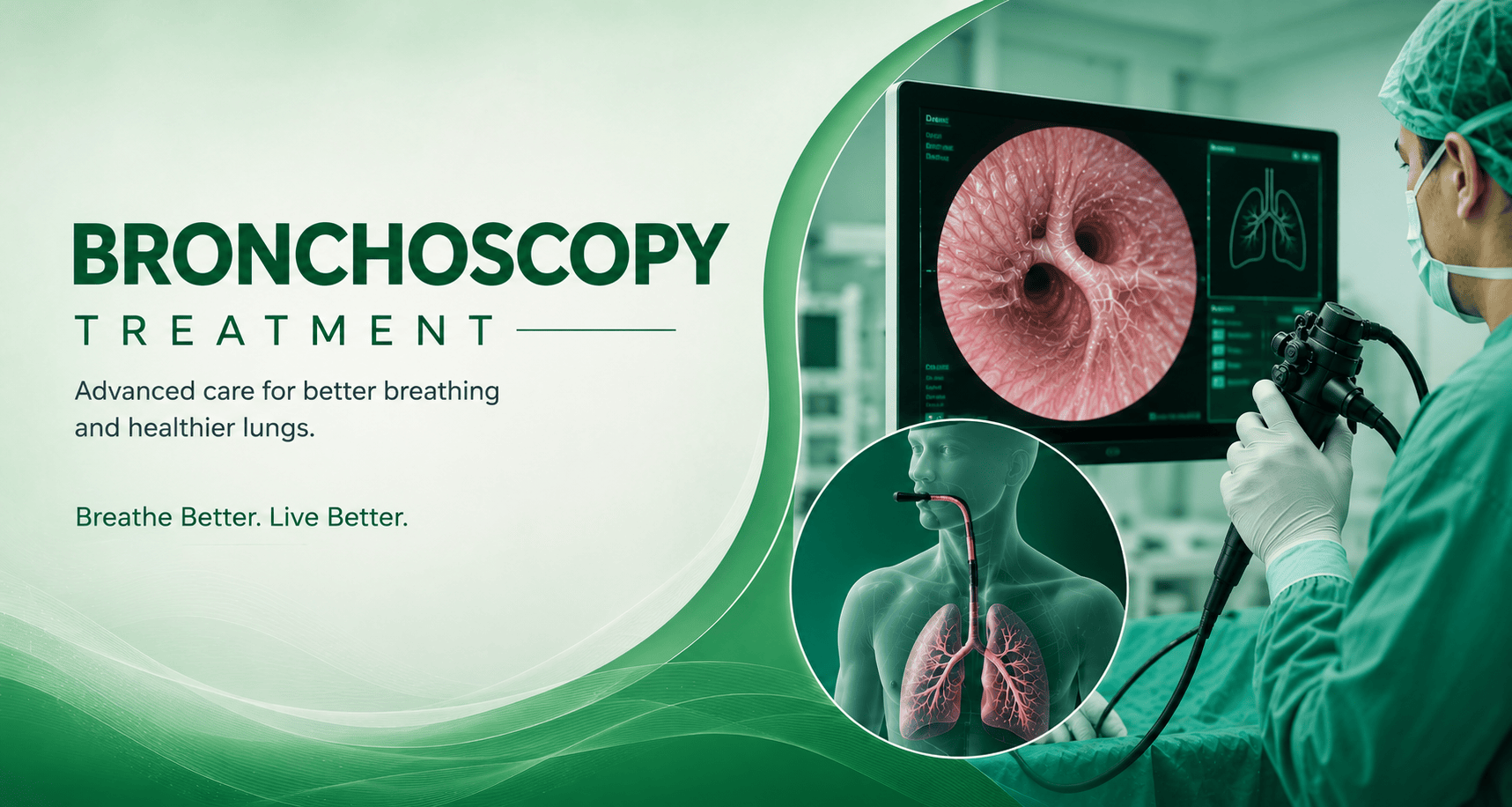
Bronchoscopy is a minimally invasive medical procedure used to examine the inside of the windpipe (trachea) and the bronchial tubes that carry air to the lungs. During the procedure, a thin flexible tube called a bronchoscope, equipped with a light and camera, is gently inserted through the nose or mouth into the airways.
The live images allow doctors to carefully evaluate the condition of the air passages and identify any abnormalities. If necessary, tissue samples (biopsy), mucus samples, or fluid samples may be collected during the same procedure for laboratory analysis. Bronchoscopy plays an important role in diagnosing respiratory diseases and guiding the most appropriate treatment plan.
When is Bronchoscopy Recommended?
Doctors may recommend Bronchoscopy in Dombivli when respiratory symptoms persist despite routine treatment or when imaging studies reveal abnormalities requiring further investigation.
Bronchoscopy is commonly performed for patients with persistent cough, unexplained coughing of blood (haemoptysis), recurrent chest infections, suspected lung infections, airway obstruction, abnormal chest X-ray or CT scan findings, breathing difficulty, lung nodules, suspected lung tumours, or foreign body aspiration.
The procedure is also valuable for obtaining tissue samples that help diagnose infections, inflammatory diseases, tuberculosis, and certain lung cancers accurately.
Conditions Diagnosed Using Bronchoscopy
Bronchoscopy helps doctors evaluate several respiratory conditions affecting the airways and lungs. It is commonly used in the diagnosis and management of:
- Persistent chronic cough
- Recurrent pneumonia
- Tuberculosis evaluation
- Lung infections
- Bronchitis and bronchiectasis
- Airway narrowing
- Lung nodules
- Suspected lung cancer
- Bleeding from the respiratory tract
- Foreign body aspiration
- Unexplained breathing difficulties
By identifying the exact cause of symptoms, bronchoscopy helps doctors provide targeted and effective treatment.
How is a Bronchoscopy Performed?
Before the procedure, the patient undergoes a medical evaluation to determine whether bronchoscopy is appropriate. Local anaesthesia is usually applied to numb the throat, and sedation may be administered to improve comfort during the examination.
The bronchoscope is carefully advanced through the nose or mouth into the respiratory passages while continuously displaying high-quality images on a monitor. The doctor examines the airways for signs of inflammation, infection, bleeding, narrowing, growths, or other abnormalities.
If necessary, biopsy samples or respiratory secretions are collected for laboratory testing. Once the examination is completed, the bronchoscope is gently removed, and the patient is monitored until fully recovered from the procedure.
Most patients can return home the same day after appropriate observation unless additional medical treatment or hospital admission is required.
Benefits of Bronchoscopy
Bronchoscopy has become an essential procedure in modern respiratory medicine because it provides valuable diagnostic information while avoiding more invasive surgery in many cases.
Some of the important benefits include early diagnosis of lung diseases, direct visualisation of the airways, accurate tissue sampling, detection of airway obstruction, identification of infections, assistance in diagnosing lung tumours, removal of certain foreign bodies, and guidance for personalised treatment planning.
Early diagnosis often leads to quicker treatment, better recovery, and improved long-term respiratory health.
Frequently Asked Questions
Is bronchoscopy painful?
Bronchoscopy is generally not painful. Local anaesthesia and sedation are used to keep patients comfortable throughout the procedure.
How long does a bronchoscopy take?
Most bronchoscopy procedures are completed within 20 to 45 minutes, depending on the purpose of the examination.
Can bronchoscopy detect lung cancer?
Yes. Bronchoscopy can help identify suspicious lung lesions and allows doctors to collect tissue samples for biopsy when required.
Is hospital admission necessary after bronchoscopy?
Most patients are discharged on the same day after observation, although admission may be advised depending on the patient’s medical condition.
